Brands like Apple and Nike are known worldwide. They keep their main message the same, but change how they talk to people in each country. That’s the power of global branding.
Today, people want brands that understand their language, values, and habits.
This article breaks down simple steps for building a brand that works across countries and cultures. If your goal is international growth, these tips will help you build trust, stay consistent, and adapt where it matters.
What is Global Branding?
Global branding means creating a brand that looks, sounds, and feels similar across different countries. It keeps your message clear and your identity strong. You reach people in new places while staying true to who you are.
This type of marketing differs from local branding. Local branding focuses on one region and adapts fully to that audience. Global branding keeps your core message and values the same. It allows small local changes without changing who you are as a brand.
A strong global brand gives you more reach and visibility. 81% of consumers need to trust a brand before considering a purchase. When your message feels familiar in many places, customers are more likely to choose you over others.
7 Proven Tips for International Branding Success
1. Build a Clear and Consistent Brand Identity
Your brand identity is how people see your business. It includes your logo, tone, and values. When your identity is clear and consistent, people understand who you are, no matter where they are.
To grow across borders, this identity must stay steady. That doesn’t mean using the same words or colors in every country. It means keeping the message and values the same, even when local changes are needed.
Key elements of consistent brand identity include:
- Your logo design and colors
- Your brand voice and tone
- Your core values and mission
- Your visual style across all materials
Take McDonald’s, for example. McDonald’s operates over 41,800 restaurants worldwide, with plans to expand to 50,000 locations by 2027. It changes its menu to match local tastes, but its tone and image stay familiar. This balance builds trust and helps your brand feel local without losing its global voice.
2. Understand Local Cultures and Preferences
Every market has its culture, values, and way of doing things. What works in one country may feel strange or even offensive in another. That’s why understanding the local mindset is key to international branding.
The stakes are high when cultural nuances are ignored. 76% of consumers would rather buy products from a brand they feel connected to than its competitor. This connection starts with genuinely understanding how people in each market live and think.
To build this understanding, start by researching these key cultural areas:
- How they speak and shop
- What do colors mean to them
- What they find funny or offensive
- Their daily habits and values
- Reading direction and date formats
The consequences of skipping this research can be costly and embarrassing. Mercedes-Benz entered the Chinese market under the brand name ‘Bensi,’ which means ‘rush to die.’ This translation mistake damaged their initial brand perception and required expensive rebranding efforts.
Thorough cultural research helps you avoid such costly mistakes. More importantly, it helps your brand feel like it belongs. When people feel seen and respected, they are more likely to trust your brand.
3. Localize Your Products and Website
Localization is more than translating words. It means adapting your content, product details, and user experience to meet the expectations of each market. This makes your brand feel relevant and easy to connect with.
Start with your website. Use the local language in a way that feels natural, not just accurate. Update these elements:
- Currency formats and payment options
- Units of measurement
- Legal disclaimers and terms
- Visual content that reflects local people and places
- Search behavior optimization
This is where multilingual SEO practices come into play. Your site should appear in local search results and match how people in that market look for products.
Your product may also need small adjustments. Food packaging, design layouts, or legal requirements often vary by region. For a deeper look at how the process works in practice, see our breakdown of what localization involves.
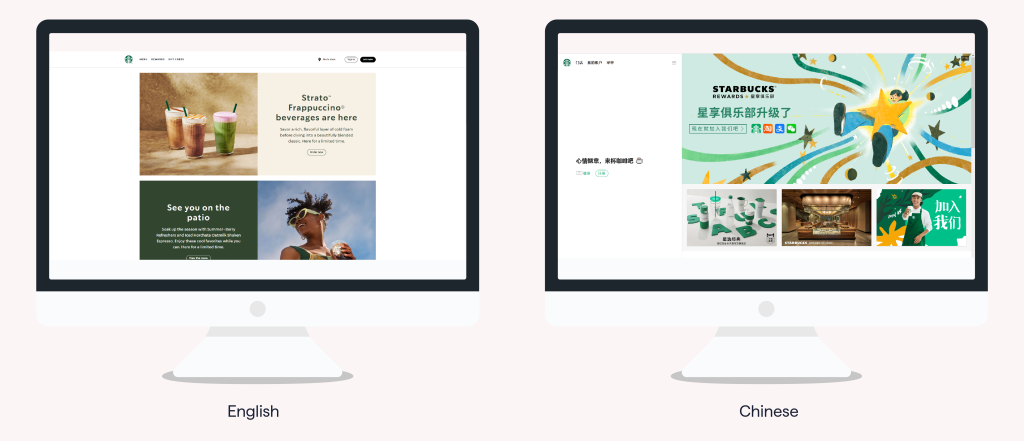
Website Localization Example – Starbucks
4. Align with Local Regulations and Market Norms
Every country has its own rules on how businesses operate. These rules cover areas like advertising, product safety, data privacy, and labeling. If your brand doesn’t obey these laws, you risk delays, fines, or even being banned from the market.
It’s not just about avoiding trouble. Following local laws shows respect for the region and builds trust with customers. When people see that your business operates properly in their country, they are more likely to take your brand seriously.
Important areas to research include:
- Advertising standards and restrictions
- Product safety requirements
- Data privacy laws
- Import/export regulations
- Tax obligations
Norms also matter. In some markets, direct marketing may be fine. In others, it could turn people away. Understanding how people expect businesses to act helps you avoid confusion and connect better with your audience.
5. Use Local Influencers and Partnerships
Building trust in a new market takes time. One of the fastest ways to earn it is by working with people and businesses that already have strong local credibility.
Influencers, creators, and community leaders understand the language, values, and style that appeal to their audience. A single post from the right voice can carry more weight than a full marketing campaign.
Partnering with local companies can be just as useful. Consider these approaches:
- Joint promotions with established brands
- Co-branded offers or products
- Shared services or distribution
- Local spokesperson partnerships
These efforts show that you are serious about becoming part of the market, not just looking for quick results.
6. Build a Strong Online and Social Media Presence
Your digital presence is often the first way people come across your brand. A well-managed website and active social media pages can make your business feel modern, open, and trustworthy.
Begin with your main website. It should reflect your global brand but still speak to each region in a way that feels familiar.
Social media plays a big role, too. Different platforms lead in different markets. For example:
- Instagram and Facebook work well in Western markets
- WeChat dominates in China
- Line is popular in Japan and Thailand
- TikTok has a global reach but local content preferences
77% of shoppers are more likely to buy from brands they follow on social media. Choose platforms that matter in each region and shape your content to match local interests.
7. Continuously Monitor and Adapt
International markets are constantly changing. What works today may not work tomorrow. That’s why it’s important to keep track of your brand’s performance and adjust your global branding strategy as needed.
Here are key areas to monitor:
- Customer feedback: Look at reviews, comments, and direct messages to spot issues or patterns
- Local trends: Keep an eye on culture, language shifts, and news that may affect your brand image
- Competitor activity: Watch how local and global brands adjust their strategies
- Digital analytics: Use site data, social metrics, and sales reports to see what is working
When you stay informed, you can adapt early instead of reacting late. This helps protect your brand and keeps your message fresh across all regions.
Conclusion
Going global is not just about entering new markets. It’s about helping people in different regions connect with your brand in a real and lasting way.
The most successful brands follow a simple idea. They stay true to who they are while adapting their message to fit local culture and expectations. This mix of consistency and flexibility helps them grow with purpose.
Here’s a quick recap of the tips:
- Build a clear and consistent brand identity
- Understand local cultures and preferences
- Localize your products and website
- Align with local regulations and norms
- Work with local influencers and partners
- Maintain a strong online and social media presence
- Monitor, learn, and adjust as you grow
Each of these steps becomes stronger with a solid localization plan. When your brand feels local, people respond with trust and interest. Professional marketing translation services can help ensure your message resonates across cultures while maintaining your brand’s core identity.
Expanding your brand into new markets takes more than translation. It calls for real cultural understanding, consistent messaging, and expert support.
At EC Innovations, we help businesses build strong global identities through smart localization and strategic planning. If you are preparing to enter new markets or want to strengthen your current global presence, we can help. Contact us today to learn how we can support your international growth.